 Dana O'Driscoll
 When we think about the flavor of “bitter,” this is something that many people may shy away from. Culturally in the US, if something is bitter, we tend to spit it out and make a face. Bitter foods are rarely on the menu here, and many of our plants have been selectively bred to remove the bitter component. When you start to expand your food palate into wild foods, you will find that many wild greens are at least slightly bitter, which represents a more ancestral diet that is much healthier for you!
Consequently, in the US, we also have chronically poor gut health for a number of reasons. One reason for this is that we no longer have bitter foods in our diet, and, relatedly, our diets are deficient in key nutrients (like magnesium). In fact, Proton Pump Inhibitors (PPIs), which reduce acid secretion in the stomach by reducing digestive processes, are extraordinarily popular medications, both over the counter and prescribed. Approximately 25% of adults in the United States take these with some regularity, and they are one of the most commonly prescribed medications. However, research shows that PPIs also lead to long-term nutrient deficiency in magnesium and B12, chronic kidney disease, infections, dementia, and even gastric or colorectal cancer (Andrawes, Andrawes, Das, and Siau, 2025). Finding alternatives to support good digestive health can be found in bitters and bitter foods.
In this article, I’ll provide an overview of bitters—what they are, how they fit into the larger Traditional Western Herbalism energetics system, their medicinal preparations, and common bitter herbs–like coffee, cacao, dandelion, and much more!
What are bitters?
Bitters have a sharp, pungent flavor that is tasted on the tongue. Be aware that there are other pungent flavors that are not bitter: the acrid flavor that can create sharpness or biting flavor (such as of bloodroot, Sanguinaria canadensis) or the mineral flavor of kale (Brassica oleracea), nettle (Urtica diocia), or alfalfa (Medicago sativa). In our case, we are looking for something specifically that is bitter and not acrid or strongly mineral—these other flavors do not have the same medicinal actions.
We have many different kinds of bitters in the plant kingdom. Some plants are purely bitter, while others have additional herbal actions. Here are a few qualities:
- Bitter: Purely bitter herbs include boneset (Eupatorium perfoliatum), trembling aspen bark (Populus tremuloides), and gentian (Gentian lutea). These herbs are only bitter and do not have other foundational actions (but they may have primary or secondary actions).
- Nutritive bitters: These are bitter greens that are also food plants and that can be eaten in quantity. Dandelion greens (Taraxacum officinale), other mustard family greens such as Common mustard (Brassica juncea) are two such examples.
- Aromatic bitters: Are plants that have both aromatic and bitter qualities – bitter orange peel or a bitter crabapple is a nice example.
- Warming bitters: Some plants are both warming and bitter – calamus (acornus calamus) is a nice example of such a plant.
- Sweet Bitters: Various species of crabapple (malus spp.) as well as cacao (Theobroma cacao) represent two bitters that also have a sweet principle. In fact, many sweet things in nature also have a bitter component, such as sugarcane, stevia, or unprocessed agave.
Medicinal Features and Energetics
In Traditional Western Herbalism, herbal action refers to the effect that the plant or mushroom has on the body, mind, and/or spirit. Bitters—along with aromatics, demulcents, astringents, relaxants, and stimulants—are what herbalist Jim McDonald calls “foundational” herbal actions. A foundational action is one that is readily discernible with your senses and has observable and noticeable effects on the body. These six foundational herbal actions align with the energetic patterns that are reflected in a human being: hot, cold, tense, lax, dry, and damp. But herbal actions are the actions of the herbs and their impact on the body. By learning about the foundational actions, we build a thinking system that allows us to apply herbs to a wide range of illnesses and conditions.
Bitters have the following primary medicinal effects:
- Stimulating: Bitters are stimulating, in that they stimulate a range of digestive secretions which helps support a healthy digestive system.
- Cold/Cooling: Bitters help cool the digestion by increasing digestive secretions, which has a cooling effect on the body. Digestion releases heat.
- Drying. Bitters are constitutionally drying for the same reason they are cooling—by increasing digestive secretions, they are released as fluids.
- Toning. Bitter tone and tighten tissues, but not in the same way an astringent would. Bitters more work out the muscles by stimulating production, which over time strengthens them and supports overall tissue health.
What happens to the body when you take bitters? We have bitter taste receptors called TAS2R on the back of our tongue, and surprisingly, throughout our bodies. When we taste bitters, we experience the following:
- Increase in saliva secretion to help begin to break down food as we chew
- Increases peristalsis (the movement of muscles in the esophagus and intestines to move food through the digestive system)
- Increase in stomach acid, digestive enzymes, and gastrin
- Increase in the mucus coat that lines the stomach to protect against increased acid
- Increase in Intrinsic Factor, which is a glycoprotein secreted by the stomach that binds with Vitamin B12 (this is needed for healthy blood cells, DNA production, and nervous system health)
- Increase in movement ofthe stomach and GI muscles, which tones them over time (just in the same way exercise tones the other muscles in your body)
- Toning and tightening of sphincter muscles (these are what separate the esophagus from the stomach and the lower stomach from the upper intestine). Lax sphincter muscles can lead to acid reflux.
- Stimulation of the gall bladder to release bile into the duodenum (the first part of the small intestine)
- Stimulates the release of pancreatic enzymes from the pancreas into the duodenum
These medicinal processes help food move through the GI system smoothly and allow you to extract the most nutrition possible. This allows for less GI distress and an overall healthy digestion. Bitters help reduce nutrient deficiency—this can be a big problem even if you are eating healthy food. Bitters also help increase both insulin sensitivity and reduce leptin resistance.
Bitters do have some secondary effects. For example, for people with magnesium deficicency who are having musclo-skeletal symptoms, bitters will improve the body’s absorbtion of magnesium, and hence, help address the difficulty.
Many traditions also recognize that bitters have a grounding and downward quality, and this can impact your body’s stress: flight/fight/freeze response. Bitters activate your Eneric nervous system–which is the part of your nervous system that controls all of the bullet point list above–stimulating digestive enzymes, increasing parastalsis, and so on. The Eneric nervous system is also tied to the production of dopamine and serotonin, which are mood balancing and mood enhancing neurotransmitters. So this can make you feel more solid, grounded, and reduce immediate panic and anxiety, bringing you back into a place of conneciton and grounding.
What are some key indications for adding bitters?
Everyone benefits from bitters in their diet, especially nutritive bitters as part of food or a simple digestive bitter taken before meals. This is especially true in the United States, where bitterness is something often avoided. Bitters are specifically indicated if you see:
- Sluggish digestion. This may include seeing partially digested food in your stool, having cramping, bloating, pain in the abdomen that follows the track of food and that moves, gas, or feeling like food moves too slowly through your system, or food is “just sitting” in the stomach.
- Nutrient deficiency. Nutrient deficiency can happen not only when you are not eating the right nutrients but also when your body can’t absorb those nutrients. Bitters help your body absorb what you are eating. Nutrient deficiency can manifest as a number of things, including persistent fatigue, hair loss or brittle nails, memory loss or concentration issues, bone or muscle pain or cramping, or chronic stress.
- GI distress after eating a high-fat meal. Fats and oils are a necessary part of our diet, and we need an active gallbladder and pancreas to properly digest our food.
- Constipation due to dryness. Constipation can happen when our GI is too dry, and we may feel food not traveling easily through our gut due to insufficient digestive secretions. Bitters and demulcents assist this situation.
- Not eating due to stress or not being hungry. If you are underweight or struggling to eat, bitters can stimulate your desire to eat.
- Cravings. At the same time, bitters can help stave off cravings—if you are going to eat, eat something that is both sweet and bitter.
Bitters in the Ecosystem in Pennsylvania
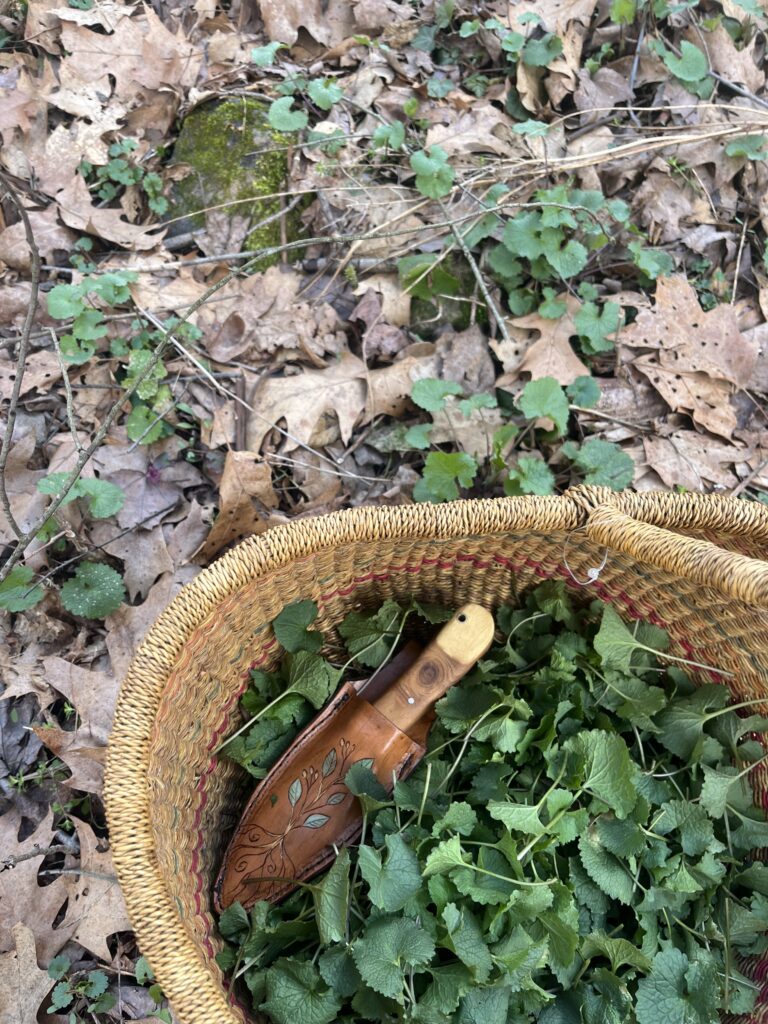
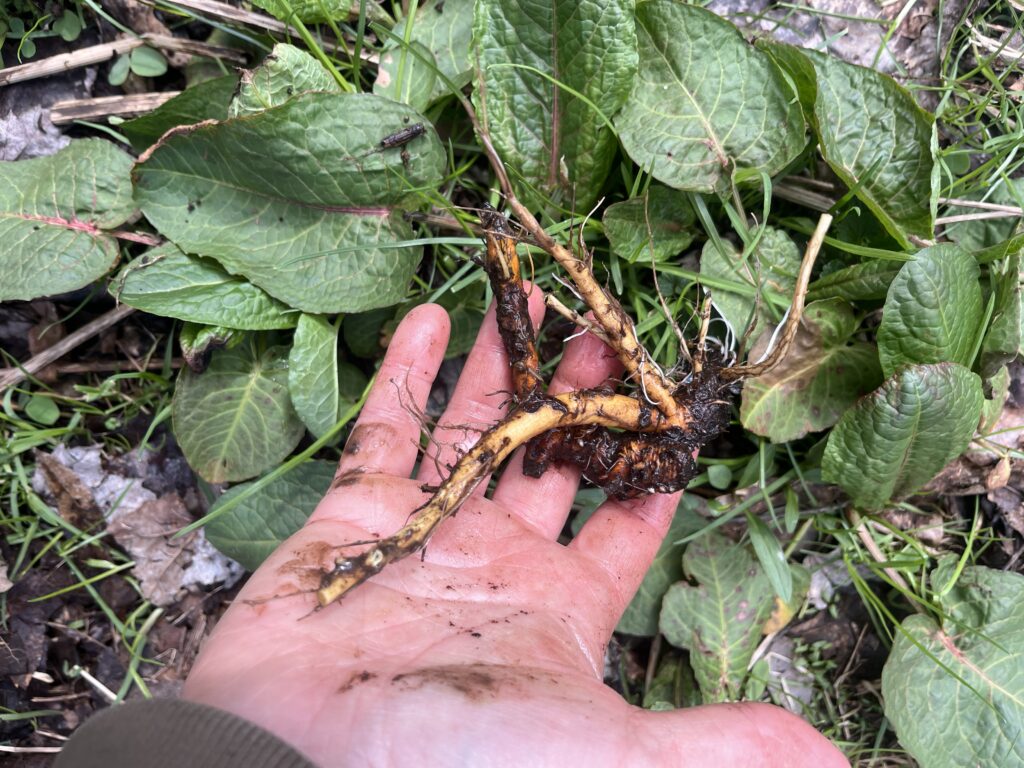
Bitter herbs are abundant in our ecosystem here in Pennsylvania. Abundant plants and trees that have bitter qualities that are good for making digestive bitters include Dandelion (Taraxacum officinale), Yellow dock (Rumex crispus), Quaking aspen bark (Populus tremuloides), Calamus (Acorus calamus), and Boneset (Eupatorium perfoliatum).
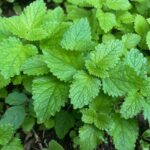
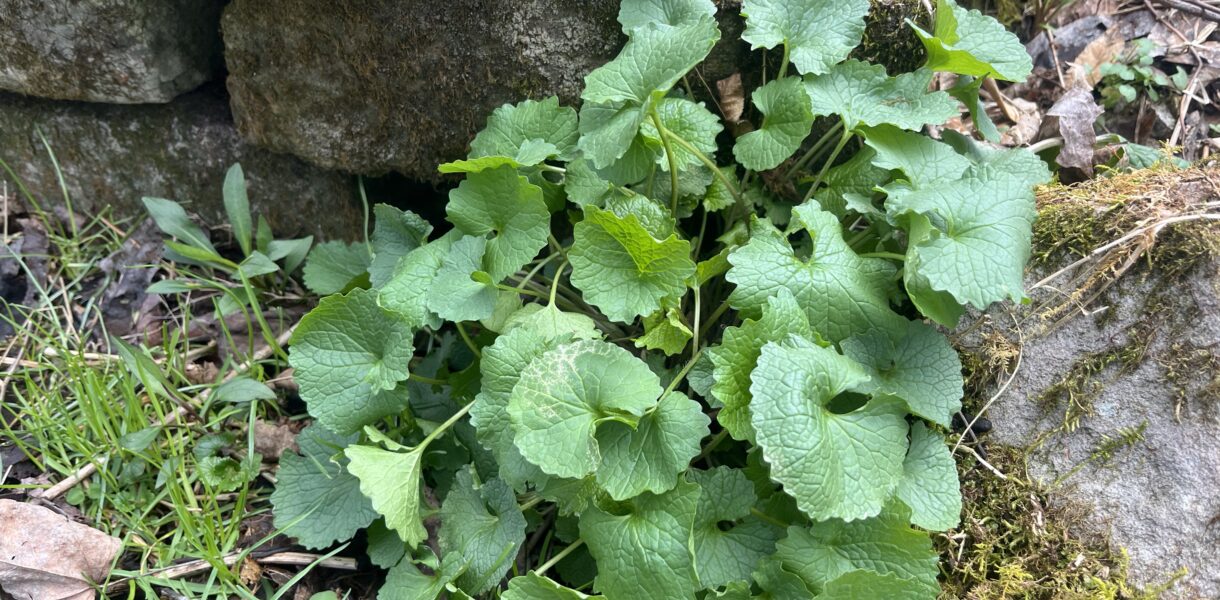
Many wild seasonal greens have bitter qualities—they are less bitter earlier in the season and grow more and more bitter as they get larger and go to flower and seed. We also have many bitter wild greens, such as the dominant and opportunistic garlic mustard (Alliaria petiolate), field mustard (brassica rapa), and yellow rocket (Barbarea vulgaris). These plants can be harvested in abundance.
Another fun thing to do to find wild bitters is to search out either wild apples or wild crabapples and taste them once they ripen—many of them are both sweet, astringent, and bitter, which is great. I’ve had wild crabapples that, after tincturing, make a delightful and well-rounded bitter and are actually one of my favorite ways to take my daily bitters.
Bitter Herbal Preparations
One of the key facets of bitter herbs is that they are best when tasted on the tongue to have medicinal value. You can take a capsule with bitter herbs, and you will get some effect, but they are most strongly effective when tasted, as your tongue and taste buds are the beginning of your digestive system.
Bitter Food Preparation. Bitter foods, such as endive, radicchio, dandelion greens, or mustard greens, can and should be built into your diet regularly. Also look here for foods from other cultures – bitter melon, chicory, artichokes (leaves and heart), and fenugreek are some herbs and plants found in other regional cuisines.
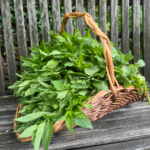
Wild Greens for later use. In spring, dandelion greens or mustard greens (including very abundant garlic mustard greens), along with nettle, chickweed, violet leaf, or other spring greens, can be enjoyed fresh—but they are ephemeral, and they all get tough, unpalatably bitter, and woody as they go to flower and seed. To keep yourself in fresh bitter greens, you ca prepare them for later use and freeze them. My favorite thing to do is to gather several pounds of mixed greens, garble them (removing stems, damaged leaves, etc.), chop coarsely, removing any large stems, and then throw them in a boiling pot of water that is lightly salted. After 2-3 minutes, I remove them and cool them down in a water/ice bath. I squeeze out all excess water and then freeze them on cookie trays. After frozen, I put them in a double freezer bag or even vacuum-seal small batches for later use longer term. Now you have a bunch of spring greens you can pull out of the freezer anytime to add to stir fry, soup, bakes, and more.
Coffee and Chocolate. Two of our favorite plants are also bitter in nature. Coffee is slightly bitter, which is part of why it has been used as an after-dinner drink across cultures. Cacao (Theobroma cacao), which is used to make chocolate, is also bitter in its natural state. You can bring bitters from cacao in through selecting and eating high-quality chocolate bars with at least 70% cacao content, enjoying cacao nibs, or making a cacao drink using 100% cacao paste.
Digestive Bitter Tincture. Another common way to enjoy bitters is by making a digestive bitter tincture that is specifically formulated for your own gut health. You will start with a base of bitter plants for this (dandelion, yellow dock, gentian are three good choices) and then, using energetics, you can select plants that fit your digestive needs and combine them with bitters. This may include plants like burdock, catnip, chamomile, ginger, turmeric, and many others.
Bitter Class in April 15th, 2026 in Indiana, PA!
A healthy digestion and healthy gut biome is one of the foundations of good health. In this class, we will focus on the primary herbal action “bitter” and how bitters can be used to support healthy digestion, liver support, and address long-term gut inflammation. By learning about the bitter action upon the GI system, we will learn about a range of bitter herbs available in our local ecosystem (foraged or grown) with a spotlight on spring greens. The class will cover principles for formulating a digestive blend for long-term gut health and also cooking with spring greens for digestive support. All participants will have an opportunity to formulate their own digestive bitter tincture blend.
References
Andrawes, M., Andrawes, W., Das, A., & Siau, K. (2025). Proton Pump Inhibitors (PPIs)—An Evidence-Based Review of Indications, Efficacy, Harms, and Deprescribing. Medicina, 61(9), 1569.
Green, J. (2007). The Male Herbal: The Definitive Health Care Book for Men and Boys. Crossing Press.
Green, J. (2011). The Herbal Medicine-Maker’s Handbook: A Home Manual [An Herbalism Book]. Crossing Press.
Hoffmann, D. (2003). Medical herbalism: the science and practice of herbal medicine. Simon and Schuster.
McDonald, Jim (2013, 2024). Lindera: Four Seasons Herbalism Class. www.herbcraft.org